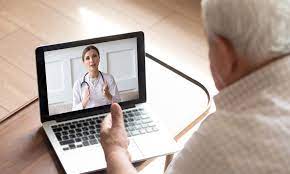
Innovations in Remote Patient Monitoring Platforms
Remote Patient Monitoring (RPM) platforms are revolutionizing healthcare by bridging the gap between patients and providers. With advancements in digital health, these platforms are more sophisticated than ever, enabling timely and accurate healthcare delivery. This article highlights the latest innovations driving these remote patient monitoring platform forward and their impact on patient care.
The Rise of Artificial Intelligence in RPM
AI-powered RPM platforms are changing the game by enhancing diagnostic accuracy and monitoring efficiency. These systems utilize predictive analytics to flag potential health concerns before they escalate. For instance, AI tools can analyze real-time vitals, such as heart rate and blood pressure, and notify providers when abnormalities occur. This reduces hospital readmissions and saves lives through early intervention.
Studies have shown that AI adoption in RPM platforms can reduce healthcare costs by up to 20%, while improving patient outcomes significantly. This technology fosters precision care, tailored to the unique needs of individuals, which in turn builds trust between caregivers and patients.
Wearable Technology and Advanced Sensors
Wearables like smartwatches and biosensors are essential components of modern RPM platforms. These devices collect continuous data, providing healthcare professionals with crucial, real-time insights. Innovations in biosensing technology have expanded their capabilities, allowing wearables to monitor more than basic vitals. For example, some devices can now track blood glucose levels or detect respiratory irregularities.
Statistics reveal that over 80 million wearable devices were shipped globally in 2022 alone, with this figure projected to rise as more people adopt RPM solutions. This growing trend underscores the convenience and proactive approach wearables bring to managing chronic conditions.
Interoperability and Data Integration
One of the biggest challenges in healthcare has always been the integration of patient data across different platforms. Recent advancements are focusing on improving the interoperability of RPM systems to ensure seamless data sharing. By using cloud-based storage and smart data aggregation tools, healthcare ecosystems are becoming more connected.
This innovation doesn’t just enhance care coordination; it also ensures that a patient’s data moves securely between providers. Better data integration empowers healthcare professionals to make informed decisions, ultimately leading to better patient outcomes.
Final Thoughts
Innovations in Remote Patient Monitoring platforms are shaping the future of healthcare. From AI analytics and wearable technology to improved data integration, these advancements are setting new benchmarks in patient care. As technology progresses, the healthcare industry is bound to become more patient-centric and efficient.